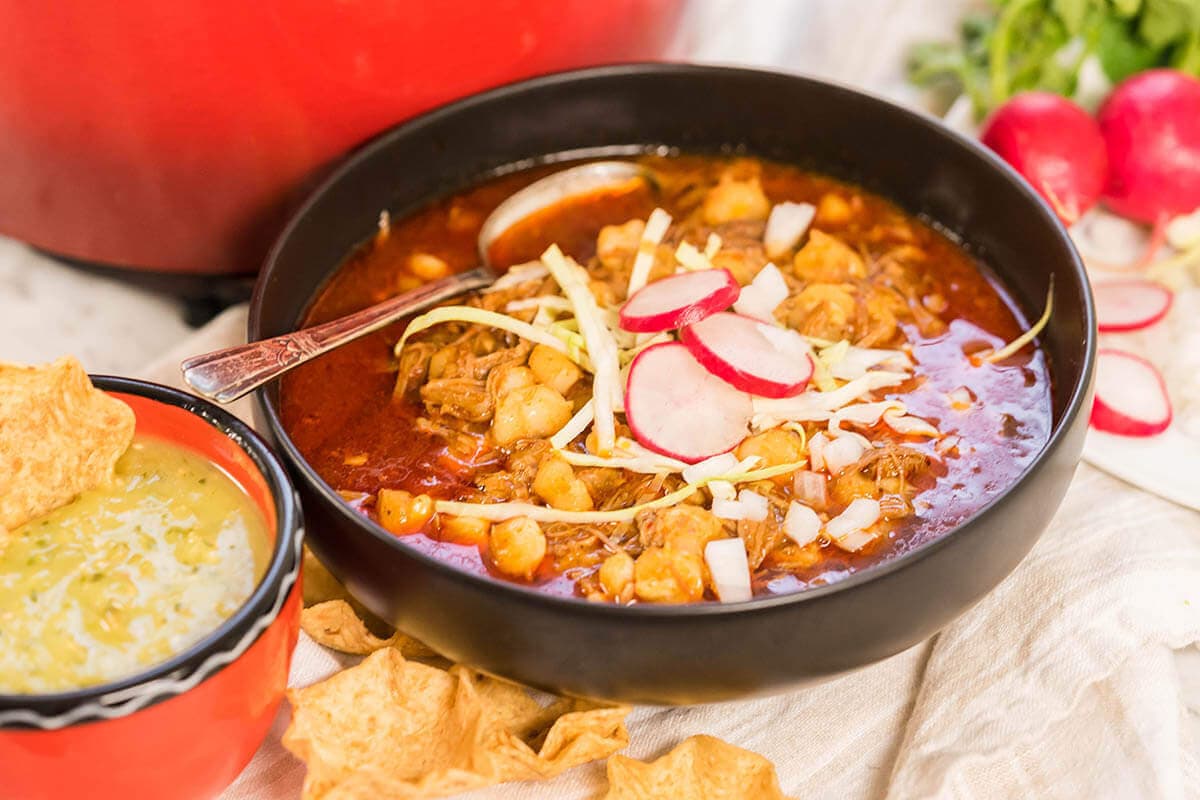
There are some dishes that transcend mere sustenance, becoming ingrained in the very fabric of a culture. In the heart of the American Southwest, particularly New Mexico, one such culinary icon reigns supreme: Posole. More than just a stew, New Mexican Posole is a comforting embrace, a symbol of heritage, and a centerpiece at countless gatherings. This savory stew, featuring tender pork and plump hominy, fills homes with intoxicating aromas and warms the soul with every spoonful. If you're ready to explore a true taste of New Mexico and master an Authentic New Mexican Posole: Your Holiday Recipe Guide, you've come to the right place.
The Heart of New Mexican Tradition: What Makes Posole Special?
New Mexican Posole is deeply woven into the cultural tapestry of the state, particularly during colder months and festive occasions. It’s a dish almost always found gracing tables at Saint’s Day feasts in the pueblos, and it’s an indispensable part of Christmas and New Year’s celebrations among families and friends. Its presence signals warmth, community, and tradition. While hearty enough to stand alone as a main course, it also makes a fantastic, complementary side dish to other regional favorites like enchiladas, offering a balanced and satisfying meal.
At the core of posole’s unique texture and flavor lies hominy – dried corn kernels that have undergone a special process called nixtamalization. This ancient technique, developed by Native Americans centuries ago, involves treating the corn with an alkaline solution (traditionally slaked lime or lye) to remove its tough outer skin. This process not only makes the corn more digestible but also unlocks its nutritional value and gives hominy its characteristic puffed, chewy texture and earthy flavor, which is absolutely essential to an authentic New Mexican Posole recipe. Without properly prepared hominy, it simply wouldn't be posole.
The flavor profile of New Mexican Posole is one of subtle complexity rather than overwhelming heat. It’s a delicate balance where the richness of the tender pork and the distinct earthiness of the hominy are allowed to shine. Mildly spiced with dried New Mexico chiles, garlic, oregano, and cumin, the stew offers a depth of flavor that is comforting and incredibly satisfying without being overly fiery. This intentional restraint in spicing allows the primary ingredients to take center stage, creating a truly harmonious and unforgettable dish.
Mastering the Authentic New Mexican Posole Recipe
Creating a truly authentic New Mexican Posole recipe at home is a rewarding experience that fills your kitchen with the most wonderful smells. While it requires a bit of simmering time, the process is straightforward and yields incredibly delicious results. Here's how to bring this comforting stew to life:
Essential Ingredients for Your New Mexican Posole:
- Lean Boneless Pork: About 1 ¼ to 1 ½ lbs, cut into small, manageable cubes. Pork shoulder or loin works wonderfully for its tenderness when slow-cooked.
- Hominy: 2 cups of canned, drained hominy is a convenient option. If you can find dried hominy and want to go the traditional route, be prepared for a longer soaking and cooking time to get those kernels fully opened and soft.
- Aromatics & Spices: 1 large onion (coarsely chopped), 3 crushed garlic cloves, 1 teaspoon oregano, ½ teaspoon cumin. These ground spices are key to the stew's signature mild warmth.
- New Mexico Chiles: 2 large dried New Mexico chiles, seeded. These chiles provide the characteristic red color and a fruity, earthy flavor without excessive heat.
- Liquid & Seasoning: 3-4 cups cold water and ½ teaspoon salt (to taste).
Step-by-Step Preparation:
- Combine & Simmer: In a large pot or Dutch oven, combine all ingredients except the salt and the canned hominy. Give it a good stir to ensure everything is well distributed.
- Slow Cook to Perfection: Bring the mixture to a gentle simmer over low to moderate heat. Cook, uncovered, for 2 to 3 hours, or until the pork is incredibly tender and easily pulls apart. Throughout this long simmer, keep an eye on the liquid level. If the stew starts to look too dry, simply add a bit more water to maintain a "soupy stew" consistency.
- Chile Integration: Approximately midway through the cooking time (after about an hour to an hour and a half), carefully fish out the dried New Mexico chiles. They should now be fully rehydrated and soft. Using a spoon or the back of a knife, gently scrape the softened inner flesh from the papery skins. Discard the skins and stir the chile flesh back into the stew. This method extracts maximum flavor and color while avoiding any tough, fibrous chile pieces.
- Add Hominy: About 30 minutes before the stew is done, stir in the drained canned hominy. This allows it to heat through and absorb the delicious flavors of the stew without becoming overly soft or mushy. If using dried hominy that you've pre-cooked, you'd add it at this stage as well.
- Final Seasoning: Once the pork is fork-tender and the hominy is heated through, taste the posole and add salt to your preference. The stew should be a rich, flavorful broth with tender morsels.
Insider Tips for Unforgettable Posole:
- Pork Tenderness is Paramount: Do not rush the cooking time. The magic of posole lies in pork that practically melts in your mouth. Low and slow is the way to go.
- Hominy Texture Matters: Whether canned or dried, ensure your hominy kernels are fully opened and soft, never hard or undercooked. This contributes significantly to the stew's comforting mouthfeel.
- Embrace Spice Restraint: One of the best pieces of advice for authentic posole is to avoid over-spicing. You want to taste the rich pork and earthy hominy, complemented by the mild chiles and subtle spices, not masked by them. This requires some discipline for those who love bold flavors, but it’s crucial for authenticity.
- Don't Be Afraid to Hydrate: As it simmers for hours, some liquid will evaporate. Keep a watchful eye and add more water or broth as needed to maintain that classic "soupy stew" consistency.
- Optional Heartiness: While not strictly traditional, some home cooks, inspired by the desire for a "Southwestern beef stew" equivalent, occasionally add a couple of diced potatoes and carrots during the last hour of cooking for extra bulk and vegetables.
Beyond the Bowl: Serving and Enjoying Your Posole
Your freshly made New Mexican Posole is a dish best served warm, ladled generously into bowls. Its "soupy stew" consistency makes it perfect for eating much like you would chili, with a spoon, savoring every tender bite of pork and every chewy kernel of hominy.
To truly elevate the experience, consider offering a variety of traditional garnishes on the side. These fresh additions provide a delightful contrast in texture and flavor:
- Fresh Cilantro: Chopped fresh cilantro adds a bright, herbaceous note.
- Diced Red Onion: A sprinkle of finely diced red onion offers a sharp, fresh bite.
- Lime Wedges: A squeeze of fresh lime juice just before eating brightens all the flavors.
- Avocado Slices: Creamy avocado can add a luxurious touch.
- Radishes: Thinly sliced radishes provide a refreshing crunch.
- Tortilla Strips or Chips: For scooping up the delicious broth.
The Enduring Legacy of Posole
The story of posole reaches back through centuries, with its origins rooted deeply in Aztec culture. The dried corn, or hominy, used in this recipe was considered sacred by indigenous cultures and thus reserved for special occasions. Today, remnants of that ancient tradition endure, making posole a cherished dish for birthdays, holidays, and any gathering where family and loved ones come together, especially during the fall and winter months. It’s a testament to a culinary heritage that continues to thrive.
This simple warming stew, full of flavor from tender pork and subtly spiced, has a powerful way of connecting people to history and to each other. I once had the privilege of sharing a bowl of posole with a chef in Albuquerque, and his passionate explanation of its history, coupled with the incredible taste of his family's recipe, was an experience I'll never forget. It solidified for me that posole is more than food; it's a narrative of resilience, community, and enduring flavor. For more insights into its rich background and practical advice, delve into Mastering Traditional New Mexican Posole: Tips & History.
New Mexican Posole is truly a culinary treasure. Its rich history, comforting flavors, and significant role in local culture make it a dish worth savoring and mastering. This tender pork and hominy comfort stew is more than just a meal; it's an experience that brings warmth, tradition, and deliciousness to any table. We encourage you to try this authentic New Mexican Posole recipe and bring a taste of the Southwest into your home, sharing its comforting embrace with your own loved ones.
