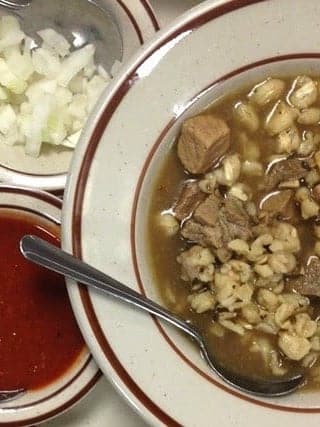
Mastering Traditional New Mexican Posole: Tips & History
There are dishes that merely satisfy hunger, and then there are dishes that tell a story, invoking tradition, celebration, and the very soul of a culture. New Mexican Posole undeniably belongs to the latter. This savory, hearty stew, deeply rooted in the Land of Enchantment, is far more than just a meal; it’s a culinary embrace, often gracing tables during significant moments – from the solemnity of Saint’s Day feasts at the pueblos to the joyful chaos of Christmas and New Year’s family gatherings. But you don't need a special occasion to enjoy it; a simple bowl of Posole can elevate any weeknight dinner, even serving as the perfect, comforting side to a plate of enchiladas.
If you're looking for an authentic taste of the Southwest, understanding the nuances of a true new mexican posole recipe is essential. This article will guide you through its rich history, demystify its key ingredients, and share expert tips to help you master this beloved stew in your own kitchen.
The Deep Roots of Posole: A Culinary Journey Through Time
The story of Posole begins not in modern kitchens, but centuries ago with the ingenuity of Native Americans and the revered corn kernel. The star of Posole is hominy – dried corn kernels that have undergone a fascinating and vital process known as nixtamalization. This ancient technique involves treating the corn with an alkaline solution, traditionally slaked lime (calcium hydroxide), which effectively removes the tough outer skin. But its purpose extends beyond texture; nixtamalization dramatically increases the nutritional value of corn, making niacin (Vitamin B3) more bioavailable and improving the protein quality. This transformation turns humble corn into the plump, chewy kernels essential for Posole, masa for tortillas, and tamales.
Tracing its origins back to the Aztec civilization, the dried corn (hominy) used in Posole was considered sacred. It was a dish reserved for ceremonial occasions and special feasts, a tradition that echoes strongly in today’s New Mexican culture. While no longer solely a spiritual offering, the act of preparing and sharing Posole remains a deeply cherished tradition, especially in the fall and winter months. It’s common for families to prepare large batches for birthdays, holidays, or simply as a warming gesture for loved ones, reinforcing its role as a comforting and unifying dish.
Crafting the Perfect New Mexican Posole: Ingredients and Process
At its heart, a classic new mexican posole recipe is a beautiful study in simplicity and patience. The magic lies in allowing a few core ingredients to slowly meld into a rich, flavorful stew. While there are countless variations, the foundational elements remain consistent:
- Lean Boneless Pork: Typically cut into small cubes, pork provides a tender, savory base that becomes incredibly succulent after hours of slow simmering. While pork is traditional, some variations do use chicken or even just vegetables for a lighter take.
- Hominy: You can use either canned or dried hominy. Canned hominy offers convenience, simply needing a good rinse before adding. Dried hominy, while requiring more preparation (soaking overnight and cooking for a few hours until tender and "bloomed"), delivers a slightly chewier texture and a deeper corn flavor that some purists prefer. Ensure the kernels are fully open and softened, a key tip for the best texture.
- New Mexico Chiles: These are non-negotiable for authentic flavor. Dried New Mexico chiles, known for their earthy, slightly sweet, and mild-to-medium heat profile, are rehydrated and their tender flesh is scraped into the stew, infusing it with signature Southwestern depth.
- Aromatic Foundation: Coarsely chopped onion, crushed garlic cloves, and a judicious blend of dried oregano and cumin create the aromatic backbone of the stew.
- Water & Salt: The cooking liquid (often just cold water, though some use broth) and salt to taste are crucial for seasoning and achieving the desired soupy stew consistency.
The cooking process itself is straightforward but demands time:
- Combine & Simmer: Begin by combining all ingredients except the salt and hominy in a large pot. Bring it to a gentle simmer.
- Slow Cook Perfection: Allow the stew to simmer, uncovered, over low to moderate heat for 2-3 hours. This extended cooking time is essential for the pork to become incredibly tender and for the flavors to fully develop. If the liquid reduces too much, add more water.
- Chile Integration: About midway through the cooking, fish out the rehydrated chiles. Gently scrape the now soft inner flesh from the papery skins and stir it back into the stew. Discard the skins. This ensures maximum flavor extraction without a tough texture.
- Hominy Time: Approximately 30 minutes before the stew is done, add the drained canned hominy (or pre-cooked dried hominy). This allows it to heat through and absorb some of the stew's flavor without becoming mushy.
- Season & Serve: Once the meat is fork-tender and the hominy is plump, add salt to taste. The finished Posole should have a comforting, soupy stew consistency, perfect for serving in bowls like chili.
Tips for an Unforgettable Posole Experience
Creating a truly memorable New Mexican Posole goes beyond just following a recipe. It's about understanding the subtle nuances and applying a few insider tips:
- Patience is Key: The most significant advice for a fantastic Posole is to allow ample cooking time. That 2-3 hour simmer isn't just a suggestion; it’s crucial for rendering the pork incredibly tender and allowing all the flavors to deepen and meld. Don't rush it!
- Hominy Matters: As seasoned chefs emphasize, ensure your hominy is cooked long enough for the kernels to fully open and soften. If using dried hominy, this means soaking it overnight and then cooking it separately until tender before adding it to the stew. For canned, ensure it’s heated through and has absorbed some of the stew's character.
- Restraint with Spices: While spice lovers might be tempted to load up on extra seasonings, a truly authentic new mexican posole recipe champions balance. The goal is to taste the rich pork and the earthy hominy, complemented by the mild chile, oregano, and cumin, rather than overwhelming them. A light hand allows the primary ingredients to shine.
- The Right Chiles: Stick to dried New Mexico chiles for that signature flavor. Avoid substitutions if possible, as other chiles will impart a different character to the stew. Look for chiles that are pliable, not brittle.
- Consider Your Pot: A heavy-bottomed pot or a Dutch oven is ideal for even heat distribution during the long simmer, preventing scorching and ensuring consistent cooking.
- Garnishes Galore: While delicious on its own, Posole truly shines with a spread of fresh garnishes. Common favorites include finely chopped fresh cilantro, diced white onion, thinly sliced radishes, a squeeze of fresh lime juice, and sometimes even a dollop of sour cream or crumbled queso fresco. Don't forget crispy tortilla chips or warm tortillas for scooping!
For more in-depth guidance on preparing this festive dish, explore resources like Authentic New Mexican Posole: Your Holiday Recipe Guide. Understanding the role of each ingredient and embracing the slow-cooking process will elevate your Posole from good to unforgettable. If you're looking for a detailed ingredient breakdown and step-by-step instructions focused on the tender pork and hominy, you might also find value in New Mexican Posole: Tender Pork and Hominy Comfort Stew.
Conclusion
Mastering a traditional new mexican posole recipe is a rewarding culinary journey that connects you to centuries of history and culture. It’s a dish that warms the body and nourishes the soul, embodying the rich, comforting flavors of the American Southwest. By embracing the ancient technique of nixtamalization, understanding the importance of quality ingredients, and practicing patience in the kitchen, you can recreate this iconic stew and share a taste of New Mexico’s heritage with your family and friends. So gather your ingredients, set aside an afternoon, and prepare to fill your home with the wonderful aromas of this truly special celebration dish.
