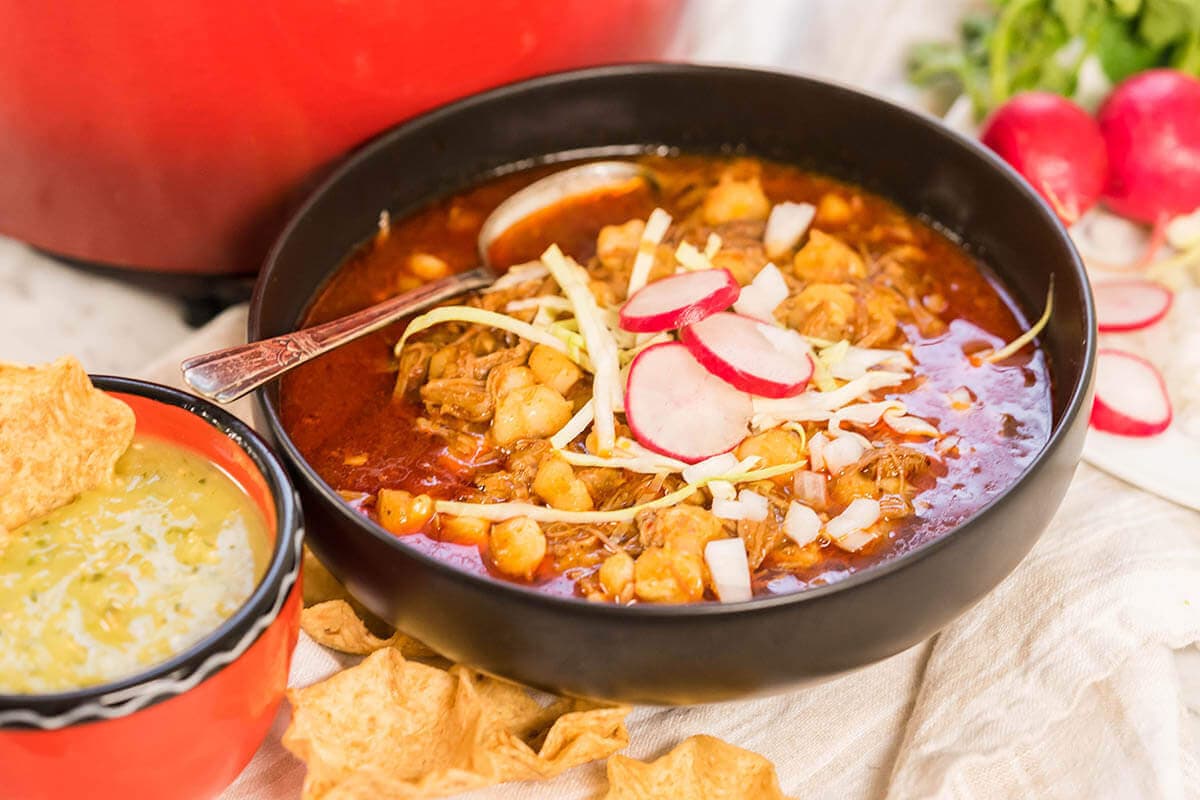
As the crisp autumn air gives way to the cozy embrace of winter, there's one dish that consistently graces tables and fills homes with an irresistible aroma across New Mexico: Posole. More than just a stew, this savory creation is a cherished tradition, a culinary hug, and an essential part of holiday celebrations. If you've ever dreamt of recreating that authentic Southwestern warmth in your own kitchen, you've come to the right place. This comprehensive guide will walk you through crafting your very own authentic New Mexican Posole recipe, ensuring your holiday gatherings are steeped in flavor and tradition.
The Soulful Roots of New Mexican Posole
New Mexican Posole isn't just a dish; it's a testament to centuries of rich cultural exchange and culinary heritage. Its origins trace back to the indigenous peoples of the Americas, specifically the Aztec civilization, where corn (maize) was considered sacred. The dried corn used in posole, known as hominy, undergoes a unique preparation process called nixtamalization. This ancient technique, developed by Native Americans, involves treating corn kernels with an alkaline solution, typically slaked lime, to remove their outer skin and unlock greater nutritional value and flavor. This transformative step is what gives hominy its distinctive chewy texture and allows it to "bloom" beautifully when cooked.
Today, the tradition continues with fervor. You'll find posole taking center stage at Saint’s Day feasts in the pueblos, as well as at family Christmas and New Year’s gatherings throughout New Mexico and areas with strong Mexican cultural influence. It's a celebratory dish, often served for weddings, birthdays, and any special occasion calling for comfort and shared joy. Understanding this deep-rooted history isn't just interesting trivia; it's key to appreciating the authenticity of your Mastering Traditional New Mexican Posole: Tips & History and the reverence it commands in the Southwest.
Essential Ingredients for Your Authentic Posole Recipe
The beauty of a truly authentic New Mexican Posole recipe lies in its simplicity and the quality of its core ingredients. While some variations exist, sticking to the fundamentals ensures you capture the quintessential flavor profile. Here's what you'll need:
- Pork: 1 ¼ - 1 ½ lbs lean boneless pork, cut into small, bite-sized cubes. Pork shoulder or loin works wonderfully for tenderness.
- Hominy: 2 cups canned hominy, drained, or an equivalent amount of dried hominy (which will require pre-soaking and longer cooking). Canned hominy is a convenient option that still delivers excellent results.
- Aromatics:
- 1 large onion, coarsely chopped
- 3 large garlic cloves, crushed or minced
- New Mexico Chiles: 2 large dried New Mexico chiles, seeded. These are non-negotiable for the authentic flavor and mild heat of a true New Mexican posole. Their earthy, slightly sweet notes are distinctive.
- Spices:
- 1 teaspoon dried oregano (Mexican oregano is ideal if you can find it)
- ½ teaspoon ground cumin
- Liquid: 3-4 cups cold water (or chicken/vegetable broth for added depth)
- Seasoning: ½ teaspoon salt, to taste (added at the end)
When selecting your chiles, prioritize dried New Mexico chiles. They are integral to the stew's identity, providing a robust, nuanced flavor that simply can't be replicated with chile powder alone. If you're a true spice aficionado, you might even consider adding a smaller, hotter dried chile like an arbol or a pinch of red chile flakes, but for traditional New Mexican posole, the focus is on depth rather than searing heat.
Crafting Your Authentic New Mexican Posole Recipe
Making posole is a labor of love, but it's far from complicated. The magic happens slowly, as the flavors meld and the pork becomes incredibly tender. Follow these steps for a heartwarming bowl of comfort:
Preparation is Key
- Prep the Pork: Cut your lean pork into small, uniform cubes. This ensures even cooking and tenderness.
- Rehydrate Chiles: Place the dried New Mexico chiles (seeded) in a bowl and cover with hot water. Let them rehydrate for about 20-30 minutes until soft and pliable.
- Process Chiles: Once softened, remove the chiles from the water. Gently scrape the vibrant inner flesh from the paper-like skins using a spoon or the back of a knife. Discard the skins. This chile paste is where the deep, authentic flavor comes from.
Simmering Towards Perfection
- Combine Ingredients: In a large, heavy-bottomed pot or Dutch oven, combine the cubed pork, chopped onion, crushed garlic, rehydrated chile flesh, oregano, and cumin. Pour in 3 cups of cold water (or broth).
- Initial Simmer: Bring the mixture to a gentle simmer over low to moderate heat. Once simmering, reduce the heat to low, cover partially, and let it cook, uncovered, for 2-3 hours. The goal here is for the pork to become incredibly tender, practically falling apart. Stir occasionally and check the liquid level. If the stew becomes too dry, add more water, a half-cup at a time, to maintain a "soupy stew" consistency. This slow cooking process is crucial for developing the rich, savory base of your New Mexican Posole: Tender Pork and Hominy Comfort Stew.
- Add Hominy: About 30 minutes before the stew is done (around the 2 to 2.5-hour mark), stir in the drained canned hominy. If using dried hominy, you'll need to cook it longer, either separately or by adding it much earlier in the stewing process, ensuring the kernels are fully open and softened, a key tip from seasoned posole makers like Chef Jim Garcia.
- Final Seasoning: Once the pork is fork-tender and the hominy is soft and plump, remove the pot from the heat. Now, and only now, add ½ teaspoon of salt, tasting as you go, and adjust to your preference. It’s important to salt at the end because the stew reduces over time, concentrating flavors.
Chef's Insight: A common mistake is to over-spice posole. The true beauty of a New Mexican posole lies in the harmonious balance of the tender pork, the earthy hominy, and the mild, sweet heat of the New Mexico chiles. Allow these primary flavors to shine through, rather than overwhelming them with too many competing spices.
Serving Your Holiday Posole Feast
New Mexican Posole is traditionally served in bowls, much like chili, and is often accompanied by an array of fresh garnishes that add texture, brightness, and a burst of flavor. These optional additions allow each diner to customize their bowl to perfection:
- Fresh lime wedges
- Finely diced white or red onion
- Chopped fresh cilantro
- Thinly sliced radishes
- A dollop of sour cream or Mexican crema
- Crumbled tortilla chips or warm flour tortillas for dipping
While posole can certainly stand alone as a hearty main course, it also makes an excellent side dish, particularly alongside other New Mexican favorites like enchiladas or tamales. On a chilly winter evening, a steaming bowl of homemade posole embodies comfort, warmth, and the spirit of togetherness. It's the perfect centerpiece for a holiday meal, inviting family and friends to gather, share, and savor a truly authentic taste of New Mexico.
Creating your own authentic New Mexican Posole recipe is more than just cooking; it's an act of cultural immersion, a nod to ancient traditions, and a wonderful way to bring warmth and flavor to your holiday table. The slow simmer, the aromatic spices, and the tender textures combine to create a dish that truly is an unforgettable experience. So gather your ingredients, set aside an afternoon, and prepare to fill your home with the enchanting smells and tastes of this beloved Southwestern classic. Your friends and family will thank you, and you might just start a delicious new holiday tradition of your own.
